If you can get through the first 72 hours, you've done the hardest part. Most quit attempts that fail, fail in the first three days. Not because people lack willpower, but because nobody told them what those days would feel like, or what to do when it gets hard.
This is that plan. What to expect, when to expect it, and exactly what to do, hour by hour.
Why the first 72 hours are the hardest.
Nicotine leaves your bloodstream quickly. Within about three days, most of it is gone from your body. Your brain, which has spent years adjusting to a steady supply, notices immediately.
That adjustment is what withdrawal feels like: irritability, restlessness, poor focus, hunger, broken sleep and strong cravings. For most people, these build through day one, intensify on day two and peak around day three. Then they start to ease.
The plan, day by day.
- Expect to feel short-tempered. Warn the people around you so it doesn't become a fight.
- Move. Even a ten-minute walk can take the edge off a craving.
- Skip alcohol for now. It's one of the strongest triggers there is.
- Go to bed early. Tiredness makes every urge louder.
- Keep the day simple, structured and busy. Empty time is where cravings grow.
- Treat every urge as a five-minute problem, not an all-day one.
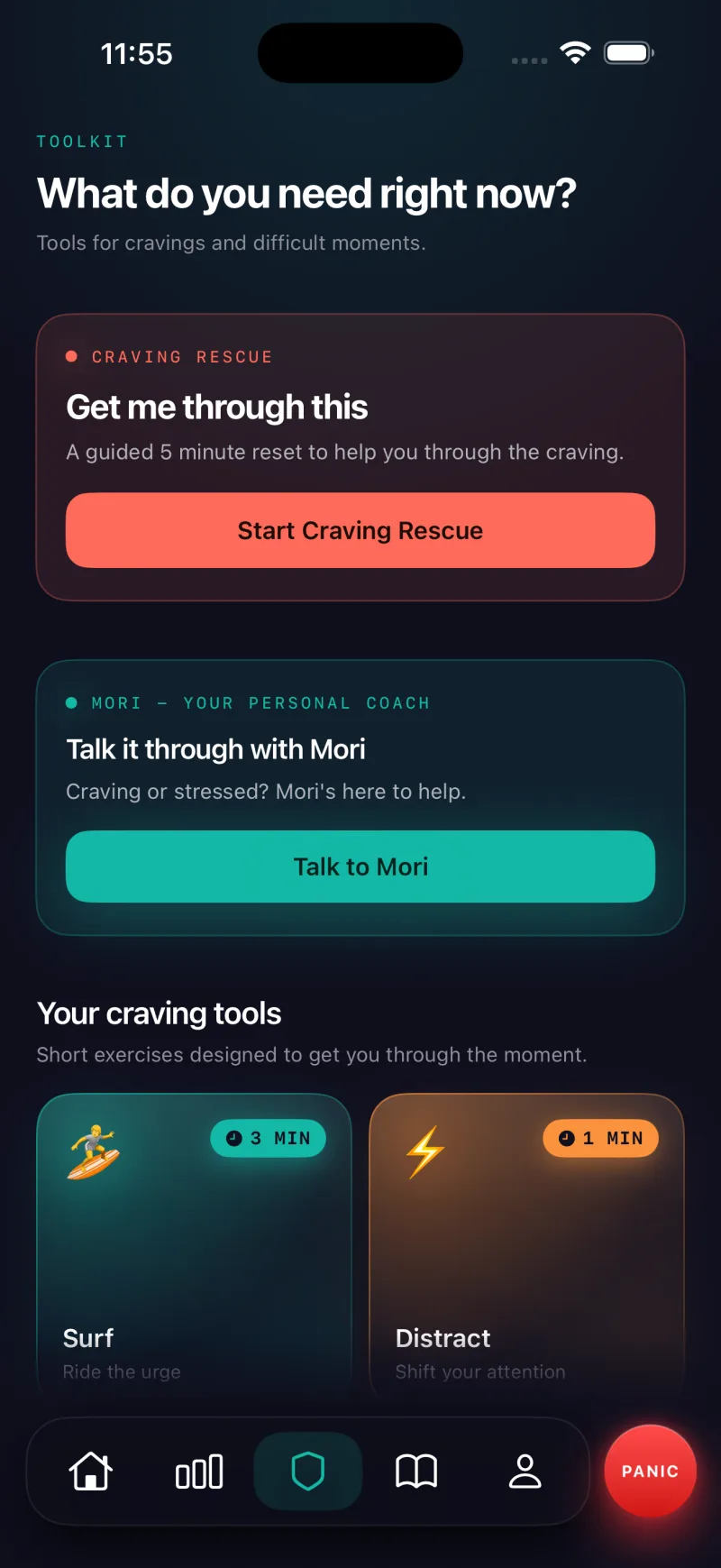
- Have your tools ready before you need them. Then use them.
- Plan something to mark midnight. You'll have earned it.
Day three, hour by hour.
The peak is predictable, which means you can plan for it. Here's how to move through the day.
What happens after day three.
Once you pass the peak, cravings become less frequent and less intense. For most people, the physical symptoms of withdrawal ease over the following two to four weeks.
What remains are habits and triggers: the coffee, the drive home, the stressful phone call. Those don't disappear overnight, but they weaken every time you get through one without smoking.
"You don't have to quit forever today. Just for the next five minutes."
Key takeaways.
This article is general information, not medical advice. Nicotine replacement and stop smoking services can significantly improve your chances of quitting. In the UK, free support is available through the NHS. Speak to your GP or pharmacist about what's right for you.